

Lingering Threats: The Challenge of Environmentally-Implicated HAIs
October 2024

Healthcare-associated infections (HAIs) are a persistent threat in hospitals, and some of the most challenging are those that result from pathogens lingering in the environment after a patient with an infection has been discharged. These “environmentally-implicated HAIs” occur when a new patient occupies a room or area still contaminated by the previous patient’s pathogens. Despite rigorous cleaning protocols, these infections continue to emerge, underscoring the resilience of certain microorganisms and the challenges faced in environmental hygiene.
How Common Are These Infections?
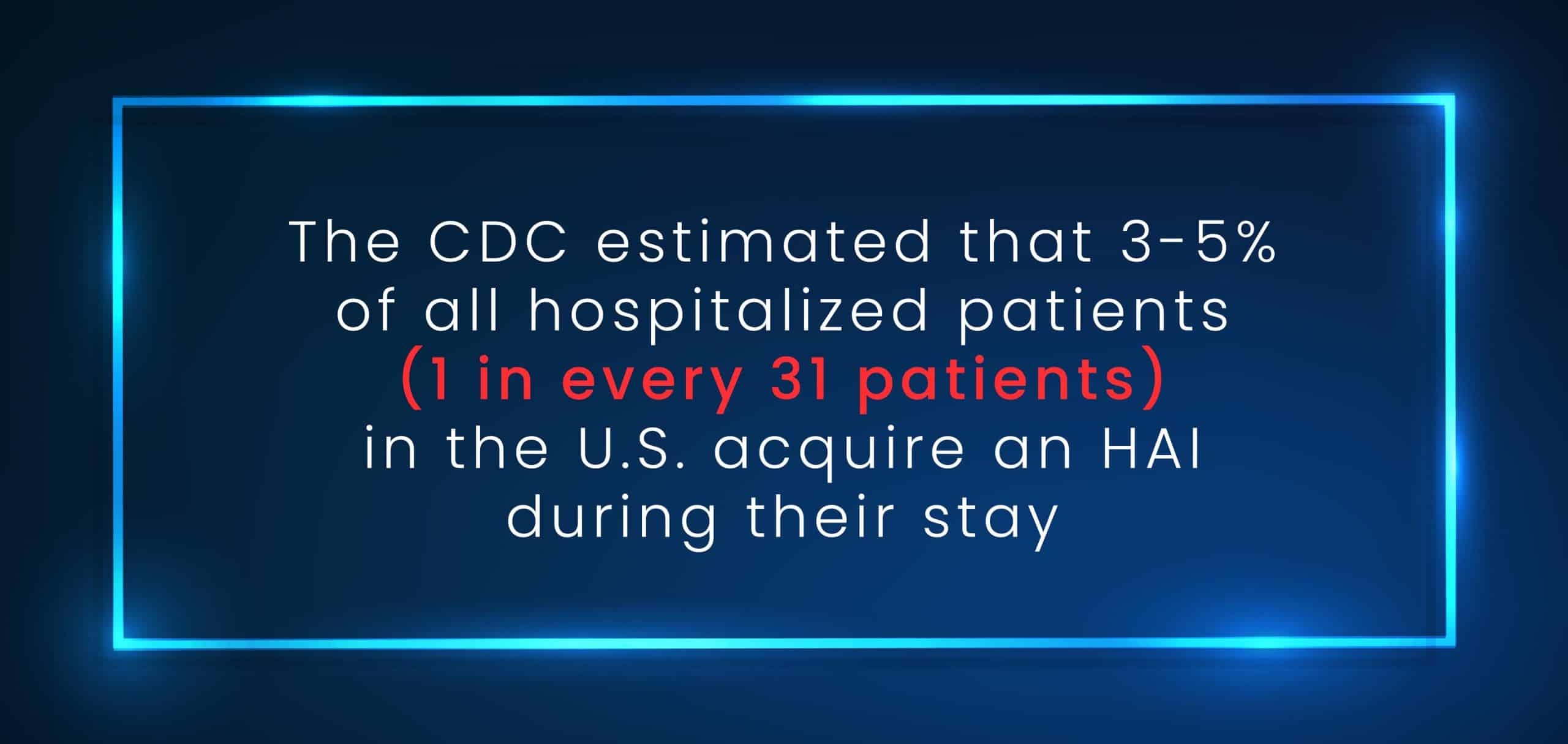
Environmentally-implicated HAIs are not rare. A study published by the CDC estimated that 3-5% of all hospitalized patients (1 in every 31 patients!) in the U.S. acquire an HAI during their stay, and of those, a significant portion can be traced to environmental contamination. When a room is inadequately disinfected, pathogens can remain viable on surfaces for hours to weeks, posing a latent risk to the next occupant.
These infections are more common in high-risk areas such as ICUs, oncology units, and long-term acute care settings, where immunocompromised patients are more susceptible. Studies show that pathogens like Clostridioides difficile (C. diff), Methicillin-resistant Staphylococcus aureus (MRSA), and Vancomycin-resistant Enterococci (VRE) are frequently implicated. These microorganisms are notorious for their ability to persist in the environment and resist routine cleaning efforts.
The Trouble with Current Prevention Efforts
Preventing environmentally-implicated HAIs is notoriously difficult, primarily because cleaning protocols vary widely in effectiveness. Despite the use of chemical disinfectants and standard terminal cleaning, surfaces are often missed or incompletely treated. Areas including bedrails, light switches, and the undersides of tables are frequent offenders when it comes to retaining infectious contamination.
Moreover, pathogens that survive terminal cleaning are often those capable of thriving in the environmental conditions found in healthcare facilities. Incomplete surface coverage or human error during manual disinfection only exacerbates the issue.
Why Stationary UV Devices Fall Short
In theory, ultraviolet (UV) disinfection is a perfect supplement to help prevent these types of infection. UV-C light can inactivate a wide range of pathogens without the need for chemicals. However, the current generation of stationary UV systems has significant shortcomings that hinder their efficacy in the fight against environmentally-implicated HAIs.
Traditional UV towers rely on fixed positioning and indirect line-of-sight exposure, leading to uneven dosing and missed surfaces. Shadowing, where certain surfaces remain blocked from the UV light, is a major issue. This problem is particularly evident in rooms cluttered with medical equipment, as many high-risk surfaces are hidden from direct UV exposure. Moreover, the long cycle times needed for these stationary systems—often requiring multiple placements and room evacuations—make it operationally inefficient. The result is incomplete disinfection, leaving behind germs that can cause infection, not to mention a distorted sense of security.
Properly Applied UV Disinfection is the Answer
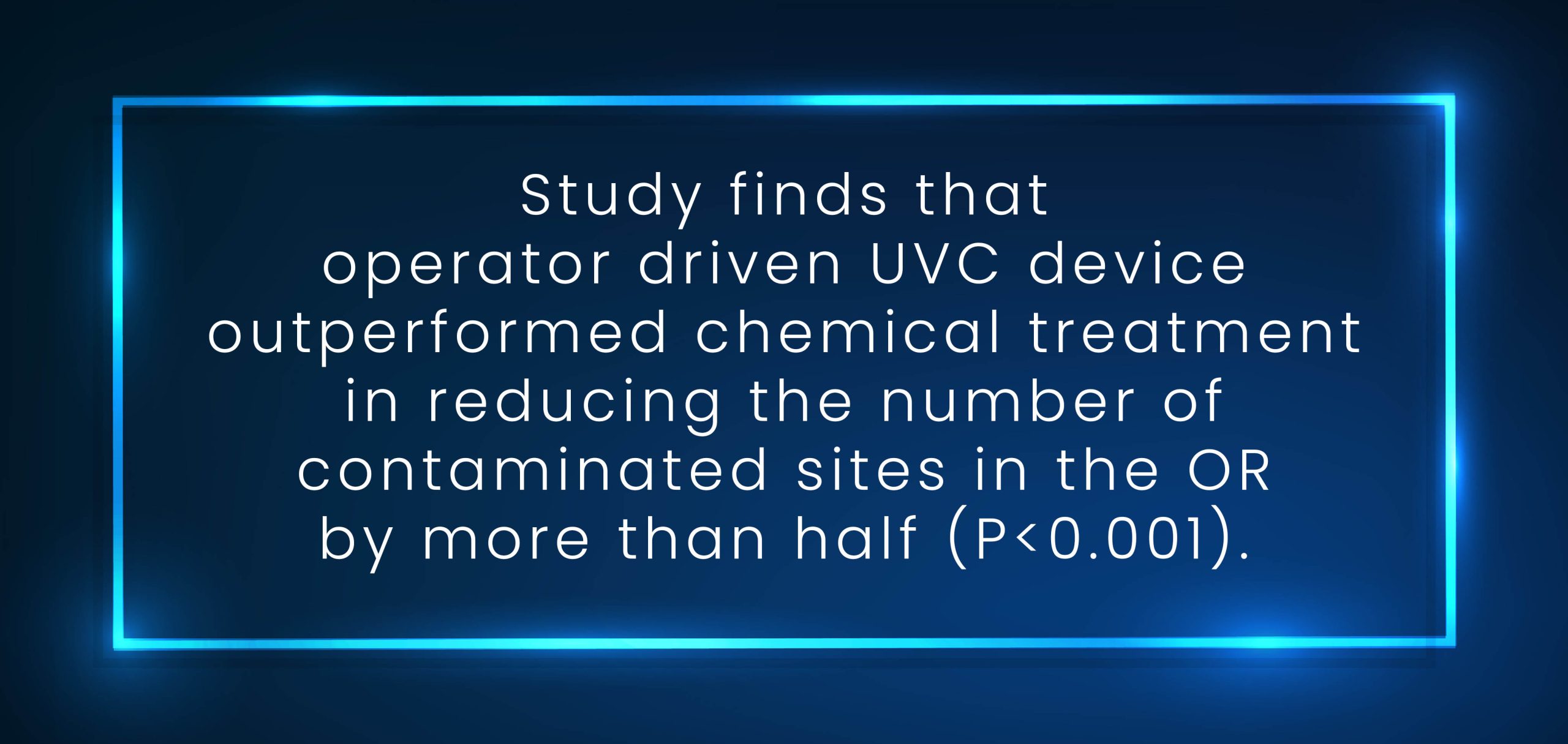
These challenges call for a more dynamic approach to UV disinfection. Mobile systems with variable angle lamps bring the germicidal UV into close proximity at the optimal angle to effectively and completely expose critical surfaces, eliminating shadowing. This assures no area is left untreated and dramatically improves room turnover times.
Additional Resources:
Magill SS, Edwards JR, Bamberg W, Beldavs ZG, Dumyati G, Kainer MA, Lynfield R, Maloney M, McAllister-Hollod L, Nadle J, Ray SM, Thompson DL, Wilson LE, Fridkin SK., Emerging Infections Program Healthcare-Associated Infections and Antimicrobial Use Prevalence Survey Team. Multistate point-prevalence survey of health care-associated infections. N Engl J Med. 2014 Mar 27;370(13):1198-208. [PMC free article] [PubMed] [Reference list]